Service
Japanese knotweed removal in Swansea
Survey, containment and the lightest effective treatment for japanese knotweed across Swansea, Gower and West Wales.
What the service covers
- Free initial quote from your photos to help confirm it is japanese knotweed
- Mapping the stand and its edges before any work starts
- Containment so roots, seed and soil don't spread further
- The lightest method that works: pulling, cutting, digging, or precise herbicide where that is the safer option
- Return visits and written records until regrowth stops
How to recognise it
- Bamboo-like hollow stems, green with purple or red speckles, 2–3m tall by midsummer
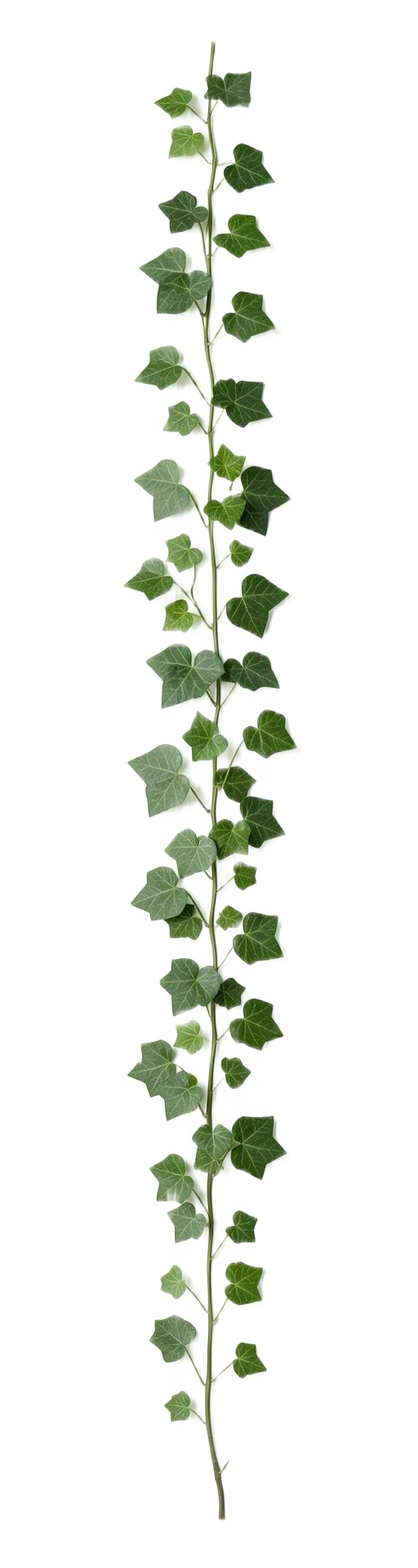
- Shield or heart-shaped leaves in a clear zig-zag pattern along the stem
- Creamy-white flower tassels in late summer
- Red asparagus-like shoots pushing through soil, tarmac and cracks in spring
- Dead orange-brown hollow canes standing through winter
Season: Shoots March–April, peak growth June–August, canes die back brown in winter
Where japanese knotweed turns up locally
Pins show general areas and publicly reported locations, not individual properties.
Local facts
Heaviest along the Tawe corridor, the Clyne and Cadle brooks, disused railway land in Landore and Morriston, and the back lanes of Brynmill, Uplands and Sandfields.
It almost never spreads by seed here. It spreads when rhizome or stem fragments are moved — fly-tipped garden waste, soil moved during building work, strimming, or river water carrying fragments downstream.
Legal status: Schedule 9, Wildlife and Countryside Act 1981. It is an offence to plant it or cause it to grow in the wild. Allowing it to spread onto a neighbour's land can be a private nuisance, and cut material is controlled waste under the Environmental Protection Act 1990.
Areas we cover for japanese knotweed
News & advice
July 2025 · Swansea Bay News
Swansea, Neath and Llanelli named among Wales's worst knotweed hotspots
New figures from the national knotweed heatmap put Swansea city third in Wales with 936 verified sightings, Llanelli fourth with 693 and Neath sixth with 396. Wales as a whole records more than triple the knotweed density of England — which is why early reporting matters so much here.
Ongoing · Swansea Council
Swansea Council's knotweed treatment service is open for quotes
The council offers a paid treatment service for private land affected by Japanese knotweed, built on more than 20 years of treating its own land. Request a quote online and they aim to respond within 10 working days. Knotweed on council land should be reported to the nature team instead.
Ongoing · Swansea Council
Sign up for the council's knotweed email updates
Swansea Council runs a knotweed updates email list alongside its treatment FAQs — covering what to expect after spraying (die-back in about 14 days), safety around children, pets and ponds, and how repeat treatments over up to five years bring a stand under control.
September 2023 · Wales Online
North Hill case shows why knotweed between gardens needs early action
A Pleasant View Terrace homeowner spent over a year trying to get knotweed spreading from a neighbouring property contained. Knotweed crossing a boundary is a private legal matter — documenting it early and getting both owners into a treatment plan is far cheaper than a dispute.