Questions
Common questions from Swansea residents
Sales, neighbours, bins, safety and how long any of this actually takes.
Is Japanese knotweed really that common in Swansea?
Yes. Swansea, Neath and Llanelli are consistently among the worst-affected places in Wales, with hundreds of confirmed sightings in and around the city. The lower Tawe valley and the west-side terraces are the densest areas.
Will knotweed stop me buying a house in Swansea?
Not usually on its own. Most lenders will proceed where there is a professional survey and an insurance-backed treatment plan in place. Problems arise when it is undeclared, untreated, or growing right against the building.
My neighbour has knotweed and will not deal with it. What can I do?
Put your concern in writing with dated photographs, then ask the council about a community protection notice. Encroachment can also be pursued as a private nuisance. Do not treat or dig on their land without permission.
Can I put knotweed in my garden waste bin?
No. It is controlled waste and must go to a permitted facility with a transfer note. Garden bags, home composting and fly-tipping all spread it and can be an offence.
Is it safe to eat three-cornered leek from a Swansea verge?
It is edible, but roadside verges carry vehicle pollution and dog fouling, and picking spreads bulbils along the lane. If you forage it, take whole bulbs from one spot rather than snipping leaves along a hedge bank.
What do I do if I touch giant hogweed?
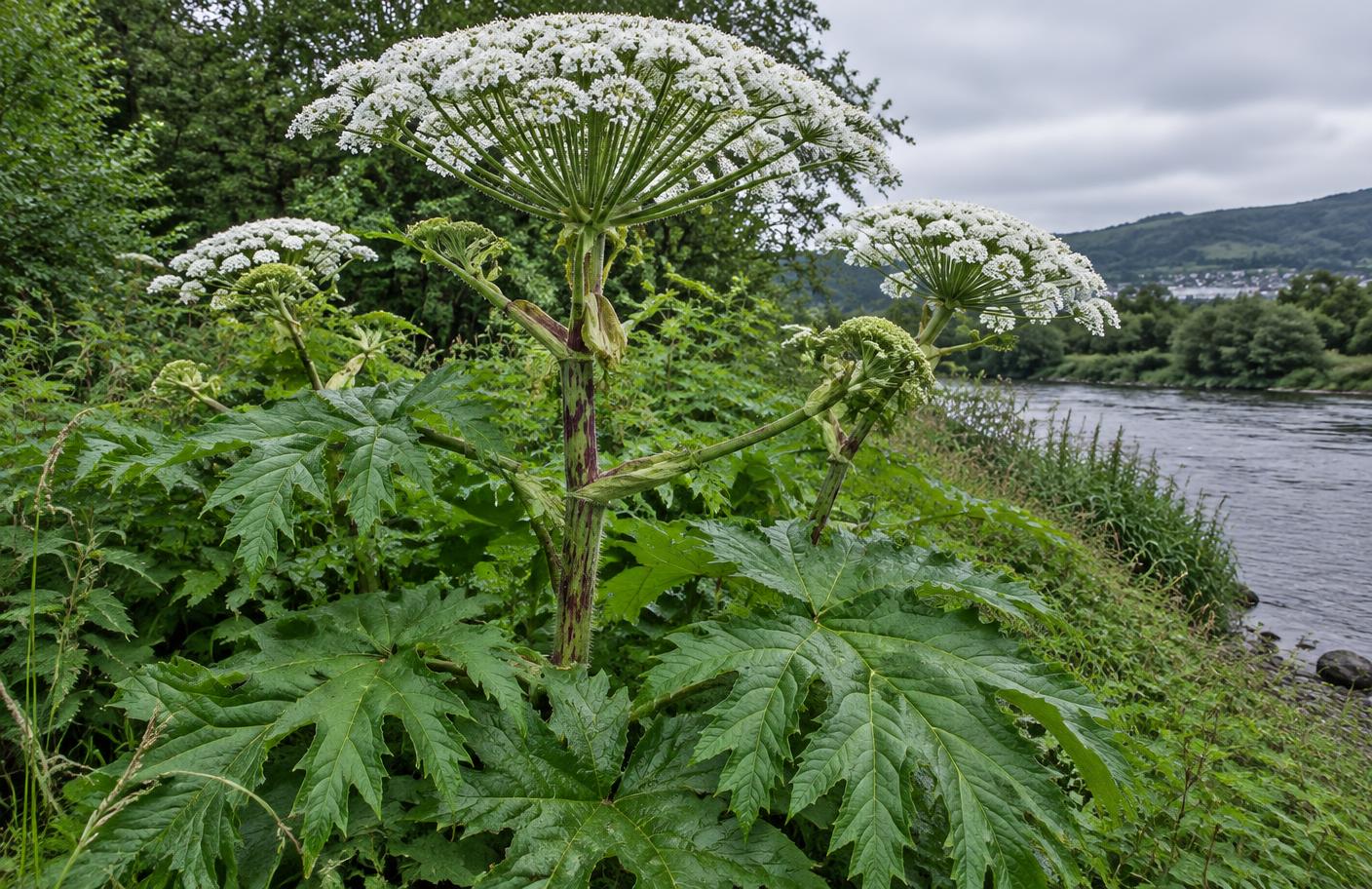
Wash the skin with soap and cold water immediately, keep the area covered and out of sunlight for at least 48 hours, and seek medical advice if blistering starts. Eye contact needs urgent medical attention.
Does cutting knotweed down get rid of it?
No — it makes things worse. The rhizome survives, and every fragment you move can start a new stand. Cutting also loses you the leaf area that herbicide needs to work.
How long does treatment take?
Three to five growing seasons for knotweed, at least three years of pulling for balsam, and five or more years of follow-up for rhododendron. Anyone promising a single visit is selling you die-back, not control.
Who is responsible for growth on a back lane or park?
Whoever owns the land. Most Swansea back lanes, verges and parks are council-owned, so report those to Swansea Council. Railway land, riverbanks and industrial estates have their own owners.
Can I volunteer to help?
Yes — balsam pulling is the ideal volunteer task and Clyne Valley, Nant Bran and the Gower stream valleys all need repeat visits. Local conservation groups and the council's countryside team run organised sessions.