Newport and Caerphilly · High pressure
Newport, Caerphilly & the Usk
The tidal Usk and the Rhymney and Ebbw valleys are long-standing knotweed and balsam corridors, with old industrial and rail land between. Covered by Newport City Council and Caerphilly County Borough Council on council land.
Japanese knotweed removal in Newport, Caerphilly & the Usk
We survey and treat Japanese knotweed, Himalayan balsam, giant hogweed and other invasive plants across Newport, Caerphilly & the Usk — including Newport city centre, Caerleon, Caerphilly, Ystrad Mynach. A free initial quote from your photos first, then the lightest method that will work, with follow-up visits until it's under control.
Map of Newport, Caerphilly & the Usk and its landmarks
Weather and weed season in Newport, Caerphilly & the Usk
River valleys collect rain and damp air, with rich, wet soil along the banks. Himalayan balsam and knotweed spread fastest along water here, as seeds and root pieces travel downstream after heavy rain.
- Spring (March–May): Knotweed shoots appear as red-purple spears. A good time to survey and map the stand.
- Summer (June–August): Balsam and hogweed flower. Pull balsam before it sets seed; keep clear of hogweed sap in sunshine.
- Late summer–autumn (August–October): Usually the most effective window for treating knotweed, as the plant draws energy down to its roots.
- Winter (November–February): Canes die back. Good for planning, digging out on development sites, and checking boundaries.
Sources: Met Office climate averages · RHS Japanese knotweed treatment timing
Area facts and landmarks
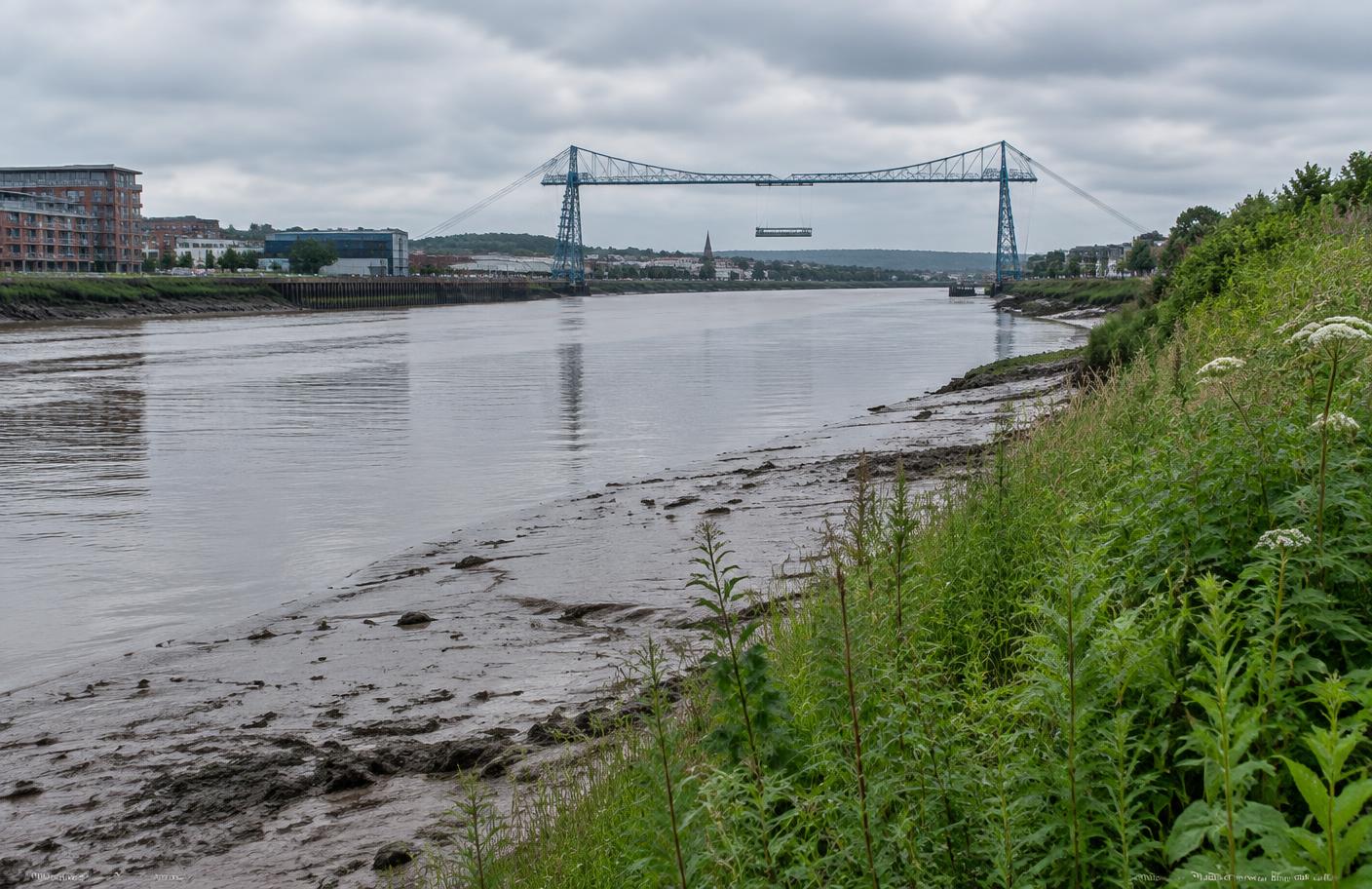
- Newport (Gwent) — The Newport Transporter Bridge over the River Usk opened in 1906 and is one of only a few left working in the world.
- Caerleon — Caerleon was the Roman fortress of Isca, base of the Second Augustan Legion from around AD 75.
- Caerphilly — Caerphilly Castle, begun in 1268 by Gilbert de Clare, is the largest castle in Wales.
Streets and places to watch
- Newport city centre
- Caerleon
- Caerphilly
- Ystrad Mynach
- Risca
- River Usk
- River Rhymney
These are the corridors where growth is most often recorded — lane walls, verges, brook banks and cleared plots. Individual gardens are not listed.
Towns, villages and places in this area
Each place has its own local guide with a map, area facts and the plants to watch for.
What grows here
Japanese knotweed
Swansea is one of the worst-affected places in Britain. Knotweed dominates back lanes, railway embankments, riverbanks and derelict plots across the city, and it is the weed most likely to affect a mortgage or a sale.
Shoots March–April, peak growth June–August, canes die back brown in winter
Himalayan balsam
The pink-flowered annual that lines almost every stream in Swansea. One plant throws up to 2,500 seeds and the seed floats, so a single upstream patch reseeds miles of bank.
Germinates March, flowers June–October, dies back with first frost
Giant hogweed
The one that hurts people. Its sap makes skin blister badly in sunlight, and the burns can recur for years. Children are most often affected because the hollow stems look like play material.
Growth from April, flowers June–July, seeds August