Vale of Glamorgan · Moderate pressure
Barry, Penarth & the Vale of Glamorgan
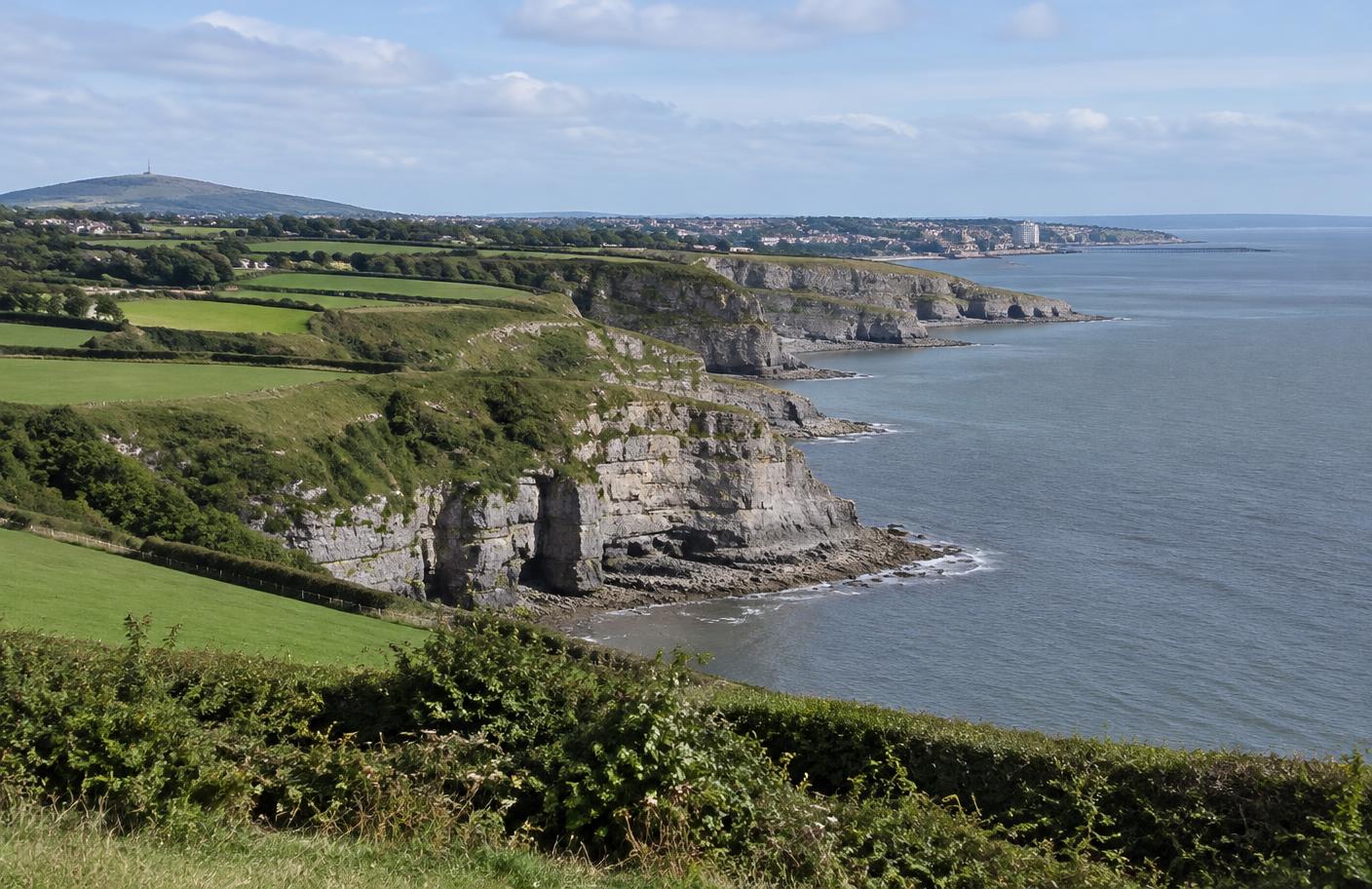
Coastal towns, railway cuttings and the Heritage Coast cliffs see garden escapes alongside knotweed on lane verges and stream banks. Covered by the Vale of Glamorgan Council on council land.
Japanese knotweed removal in Barry, Penarth & the Vale of Glamorgan
We survey and treat Japanese knotweed, Himalayan balsam, giant hogweed and other invasive plants across Barry, Penarth & the Vale of Glamorgan — including Barry, Penarth, Cowbridge, Llantwit Major. A free initial quote from your photos first, then the lightest method that will work, with follow-up visits until it's under control.
Map of Barry, Penarth & the Vale of Glamorgan and its landmarks
Weather and weed season in Barry, Penarth & the Vale of Glamorgan
Exposed to the sea, with mild winters, salty winds and few hard frosts. Growth often starts early here and carries on late into autumn, so shoots can appear before inland areas.
- Spring (March–May): Knotweed shoots appear as red-purple spears. A good time to survey and map the stand.
- Summer (June–August): Balsam and hogweed flower. Pull balsam before it sets seed; keep clear of hogweed sap in sunshine.
- Late summer–autumn (August–October): Usually the most effective window for treating knotweed, as the plant draws energy down to its roots.
- Winter (November–February): Canes die back. Good for planning, digging out on development sites, and checking boundaries.
Sources: Met Office climate averages · RHS Japanese knotweed treatment timing
Area facts and landmarks
- Barry — Barry Docks opened in 1889 to export coal from the Rhondda, and for a time were among the busiest in the world.
- Penarth — Penarth Pier opened in 1898 and its Art Deco pavilion dates from the late 1920s.
- Cowbridge — Cowbridge received its first charter in the thirteenth century and keeps parts of its medieval town wall.
Streets and places to watch
- Barry
- Penarth
- Cowbridge
- Llantwit Major
- Dinas Powys
- Glamorgan Heritage Coast
These are the corridors where growth is most often recorded — lane walls, verges, brook banks and cleared plots. Individual gardens are not listed.
Towns, villages and places in this area
Each place has its own local guide with a map, area facts and the plants to watch for.
What grows here
Japanese knotweed
Swansea is one of the worst-affected places in Britain. Knotweed dominates back lanes, railway embankments, riverbanks and derelict plots across the city, and it is the weed most likely to affect a mortgage or a sale.
Shoots March–April, peak growth June–August, canes die back brown in winter
Japanese rose
A thorny dune invader. It binds and over-stabilises mobile sand, which is exactly the wrong thing for Swansea Bay and Gower dune systems that depend on bare sand.
Flowers June–September, hips autumn
Wall cotoneaster
Birds carry the berries from gardens straight onto Gower's limestone cliffs and grasslands, where cotoneaster smothers some of the rarest plant communities in Wales.
Flowers May–June, red berries autumn into winter