Area by area
Swansea, district by district and street by street
Local area guides covering Swansea, Gower, Neath Port Talbot, the Bridgend coast, Carmarthenshire and Pembrokeshire.
Interactive area guide
Knotweed pressure across Swansea
These twelve markers show broad area-level pressure, not surveyed plants or exact property locations. Select a marker or area to inspect the local context.
Landore, Morriston & Plasmarl
Lower Swansea Valley
The worst corridor in the city. A century of industrial tipping, then the Lower Swansea Valley clearance, left ideal disturbed ground beside the Tawe. Knotweed runs almost continuously along the river and old rail beds.
Main species: Japanese knotweed, Himalayan balsam, Giant hogweed
Open area guideDo not use this map for property or legal decisions. Arrange a site survey.
Severe pressure
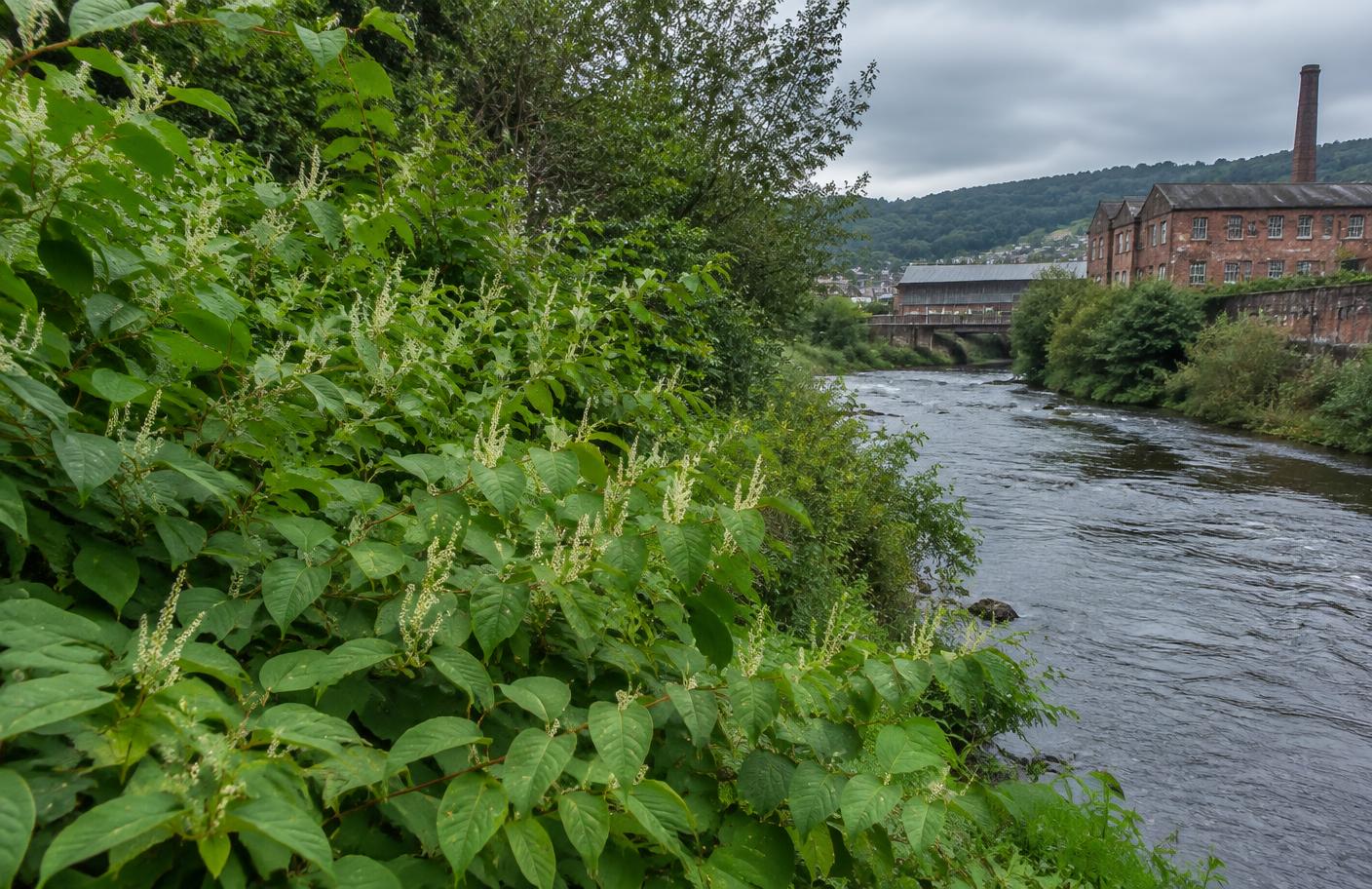
Landore, Morriston & Plasmarl
Lower Swansea Valley
The worst corridor in the city. A century of industrial tipping, then the Lower Swansea Valley clearance, left ideal disturbed ground beside the Tawe. Knotweed runs almost continuously along the river and old rail beds.
Main species: Japanese knotweed, Himalayan balsam, Giant hogweed
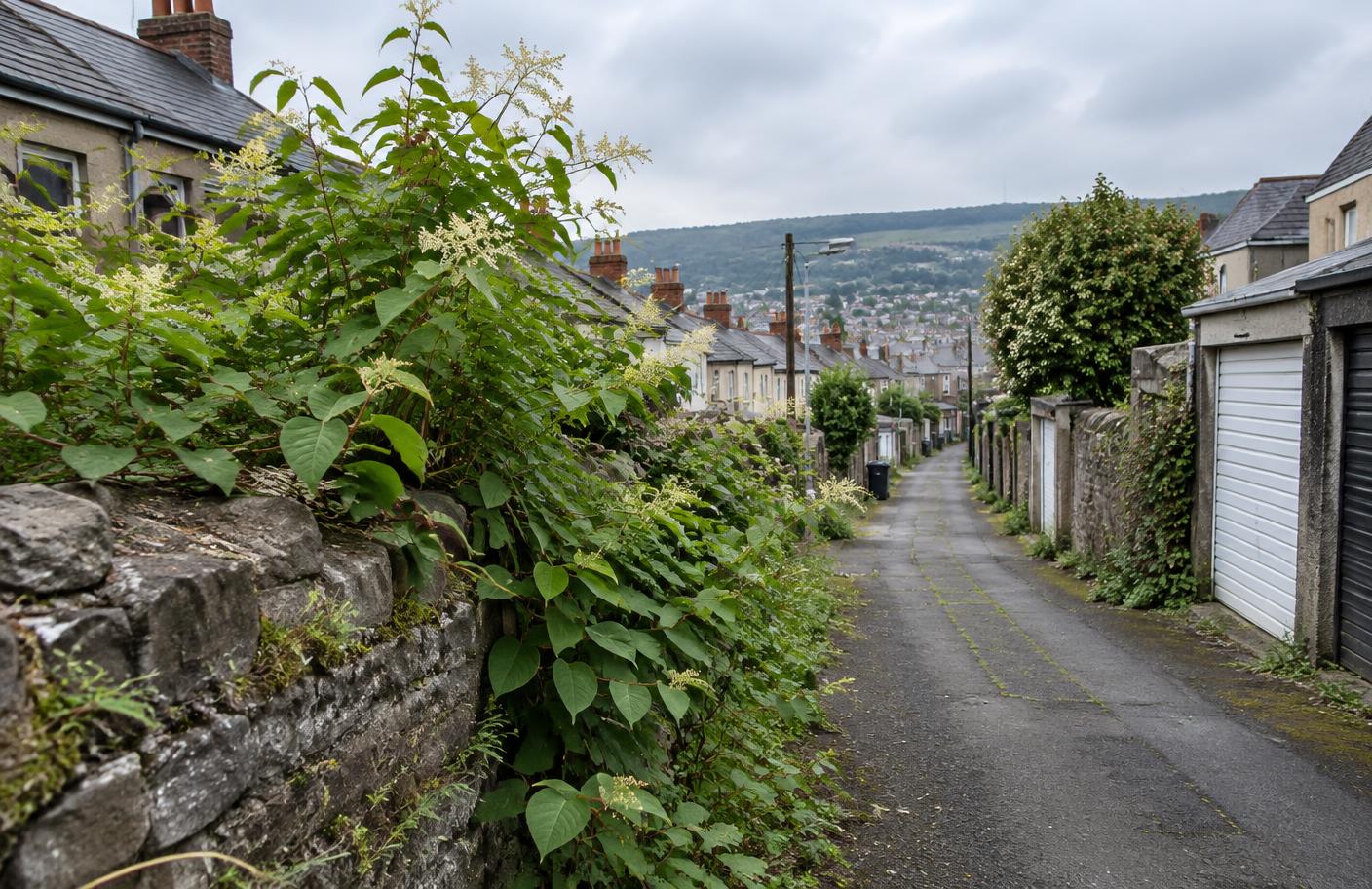
Brynmill, Uplands & Mount Pleasant
West-central Swansea
Dense Victorian terraces with shared back lanes. Knotweed moves along lane walls from garden to garden and is the most common cause of neighbour disputes and mortgage problems in Swansea.
Main species: Japanese knotweed, Three-cornered leek, Wall cotoneaster
Clyne Valley & Blackpill
West Swansea
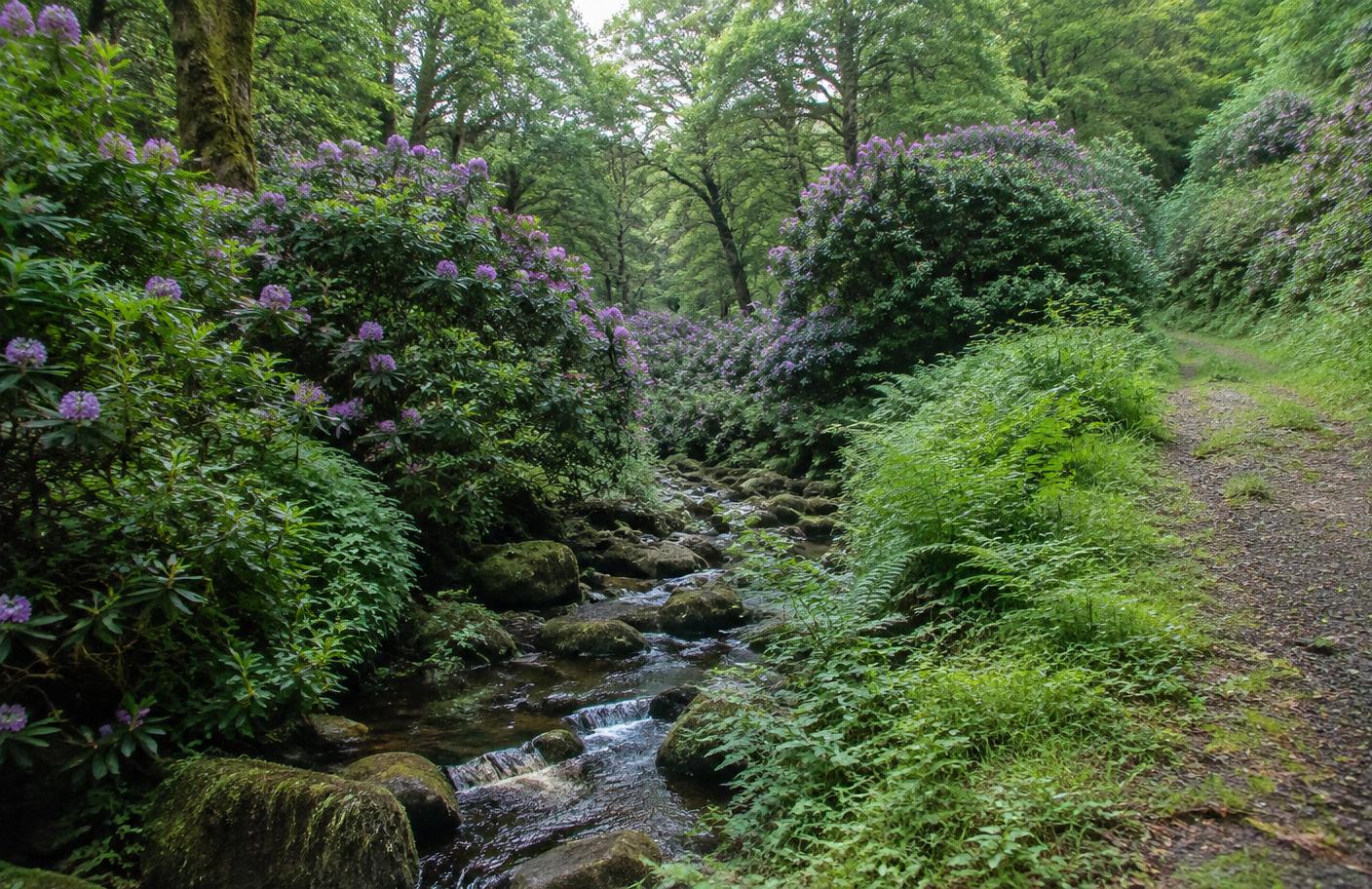
The city's biggest single invasive management challenge. Rhododendron has taken large blocks of former estate woodland; balsam lines the brook the length of the valley.
Main species: Rhododendron ponticum, Himalayan balsam, Japanese knotweed
Neath, Port Talbot & the Neath Valley
Neath Port Talbot
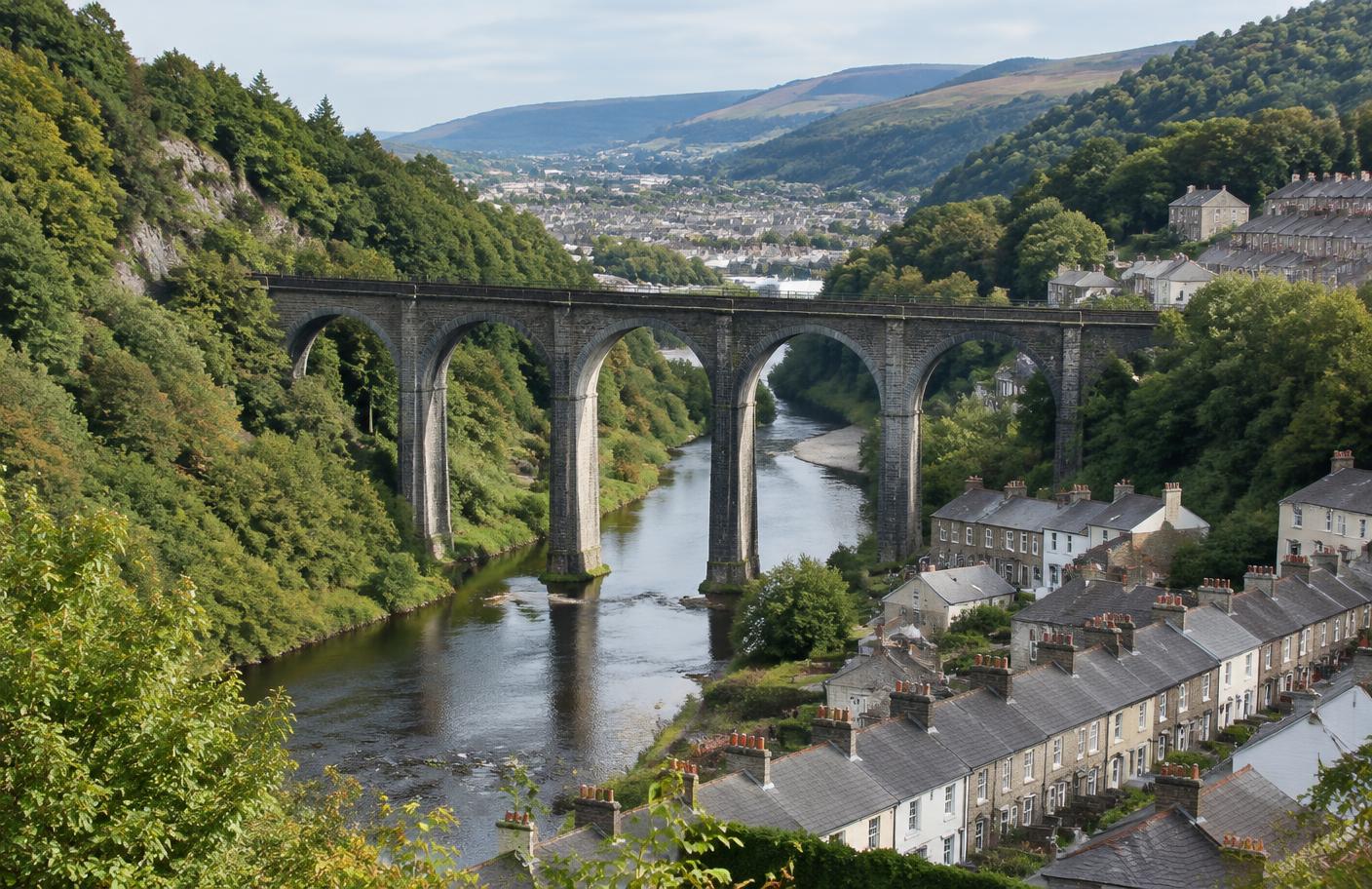
Heavy industrial ground along the Neath and lower Tawe carries knotweed almost continuously, and the River Neath and its tributaries move balsam seed down the whole valley. Covered by Neath Port Talbot County Borough Council on council land.
Main species: Japanese knotweed, Himalayan balsam, Giant hogweed
High pressure
City Centre & Castle
Central Swansea
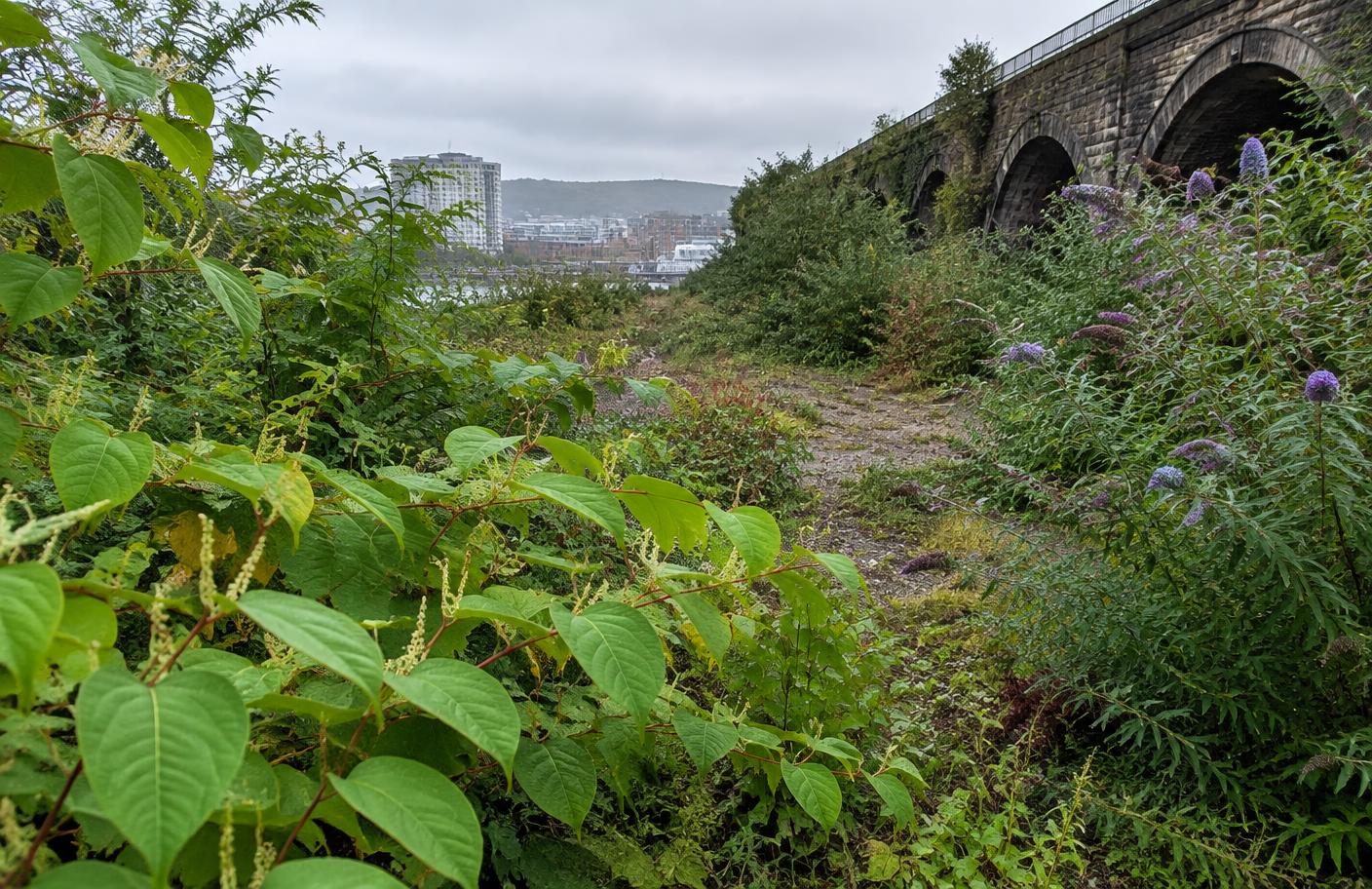
Knotweed and buddleia colonise derelict plots, cleared shop sites and the retaining walls along The Strand. Old railway land behind High Street station is a long-standing source.
Main species: Japanese knotweed, Buddleia, Three-cornered leek
Sandfields, SA1 & St Thomas
Waterfront
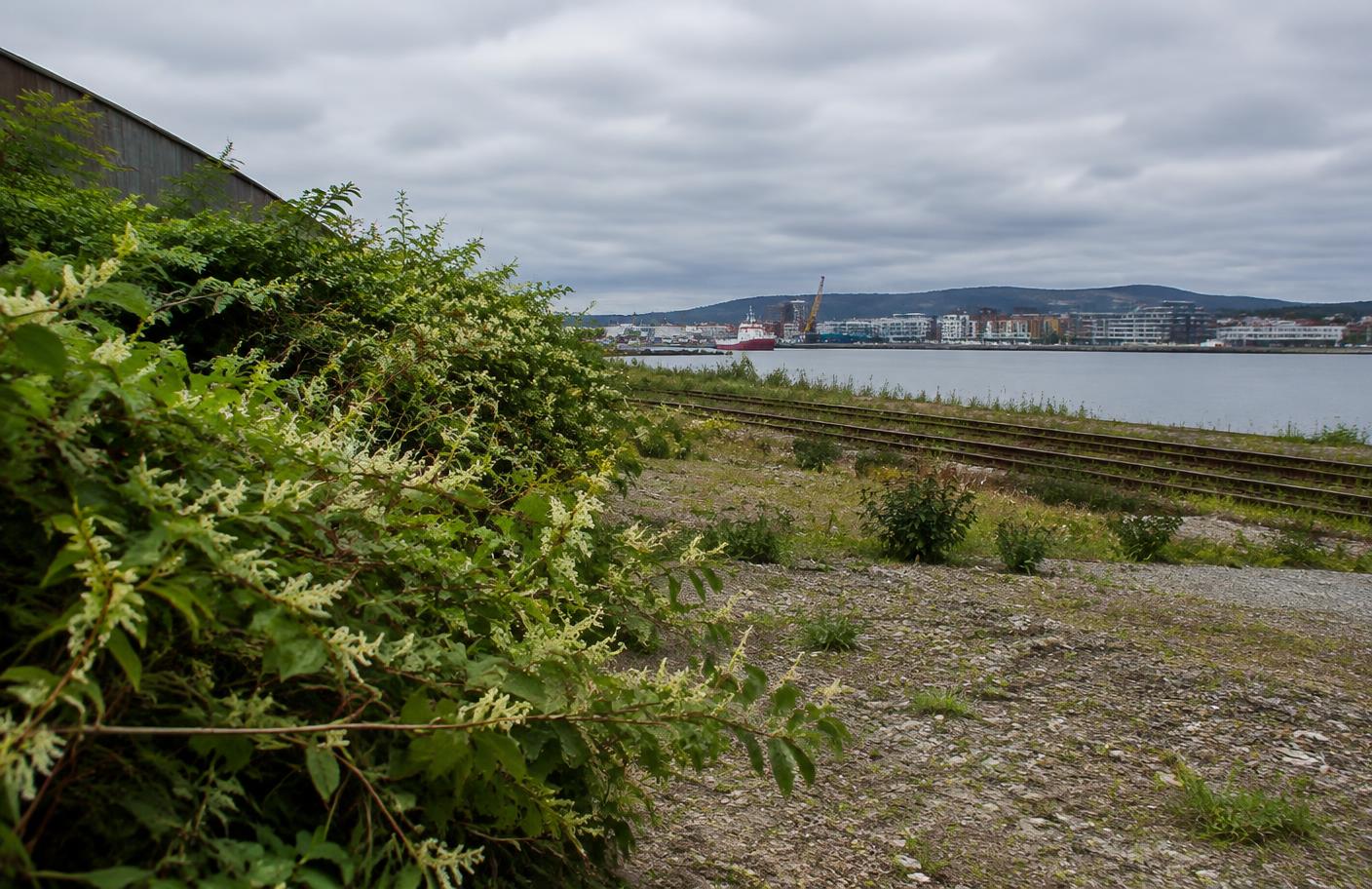
Dockland fill, disused sidings and dune fringe. Knotweed on cleared development plots, rugosa rose spreading into Crymlyn Burrows.
Main species: Japanese knotweed, Japanese rose, Wall cotoneaster
Sketty, Killay & Dunvant
West Swansea
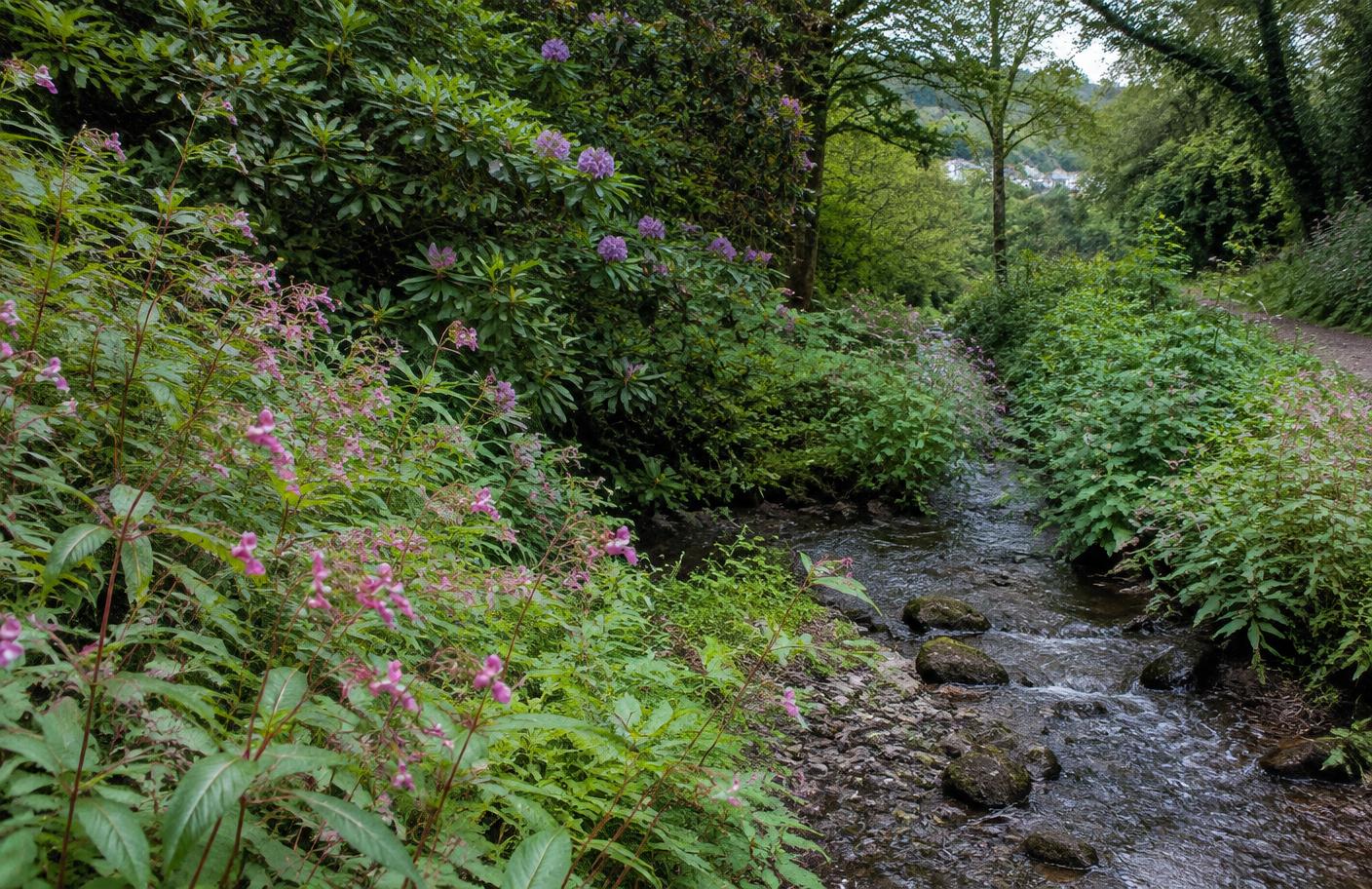
Feeds straight into Clyne Valley. Rhododendron from old estate plantings and balsam along Nant Bran are the dominant problems, with knotweed on the railway path edges.
Main species: Rhododendron ponticum, Himalayan balsam, Three-cornered leek
Mumbles, Langland & Caswell
South Gower coast
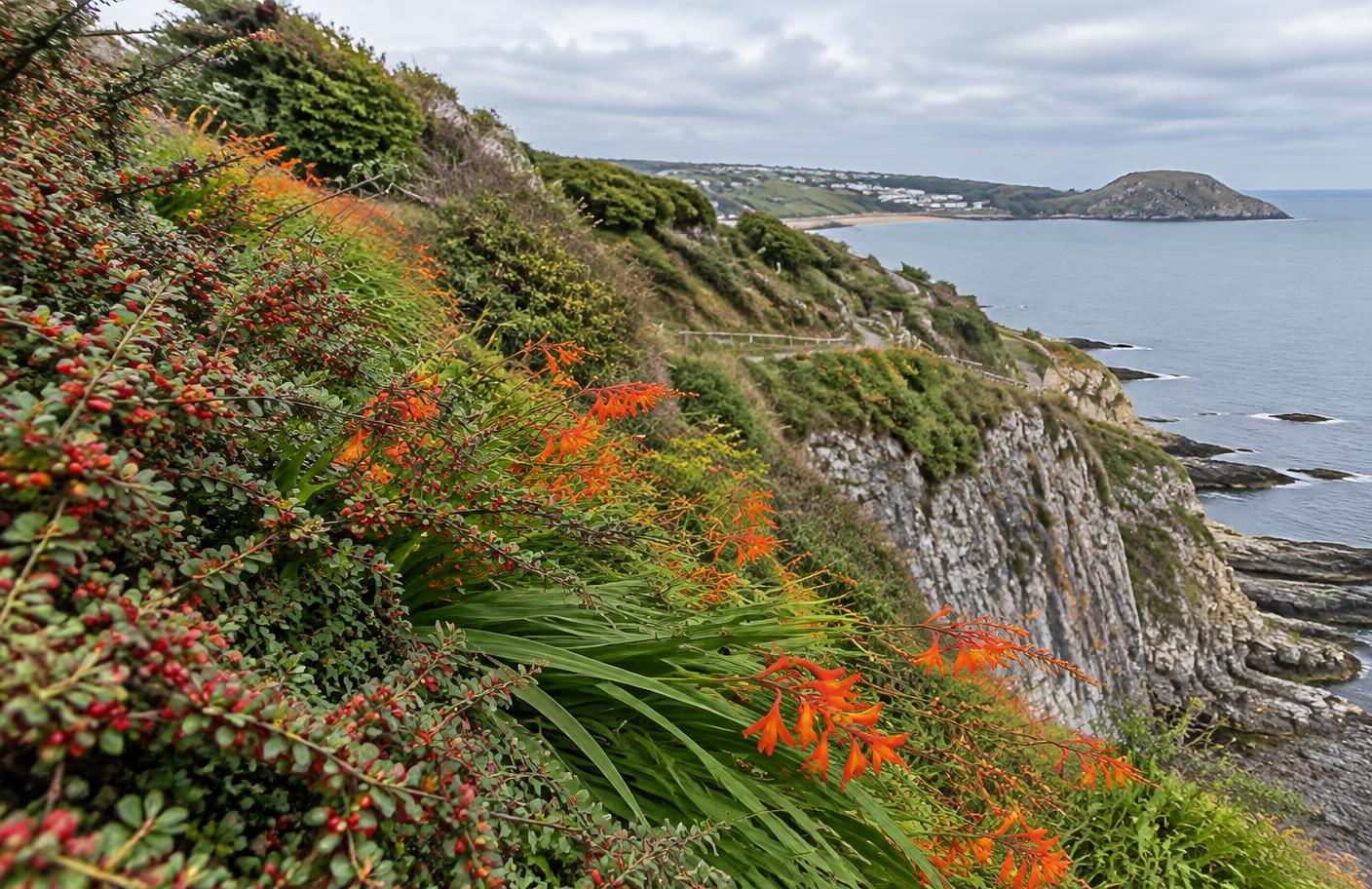
Garden escapes are the issue here rather than knotweed. Cotoneaster and montbretia move from clifftop gardens onto limestone grassland of real conservation value.
Main species: Wall cotoneaster, Montbretia, Three-cornered leek
Llansamlet, Birchgrove & Winch Wen
East Swansea
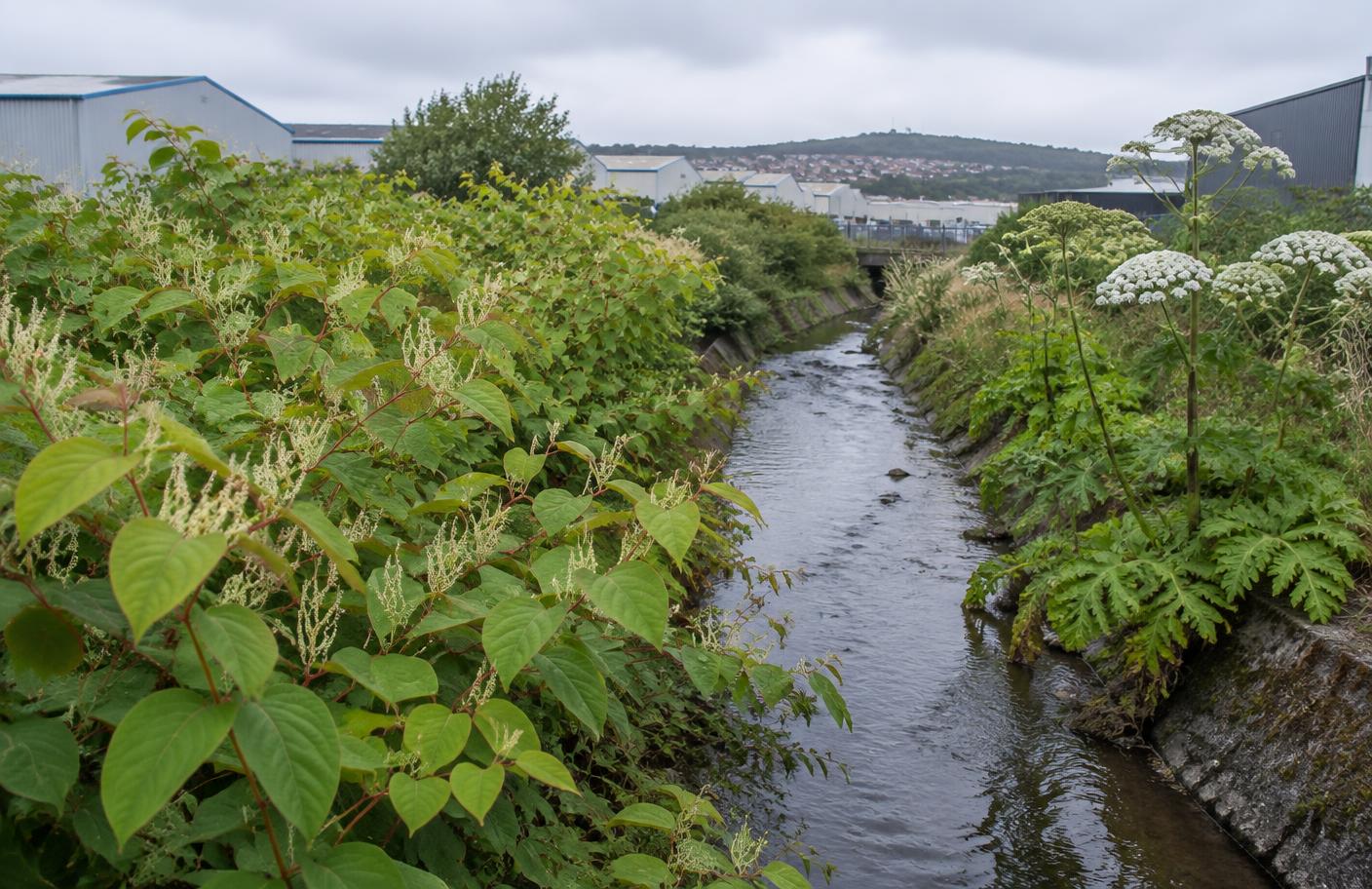
Industrial estate margins, drainage ditches and the Nant y Fendrod carry knotweed and hogweed through the east of the city.
Main species: Japanese knotweed, Giant hogweed, Himalayan balsam
Townhill, Penlan & Cwmbwrla
North-west Swansea
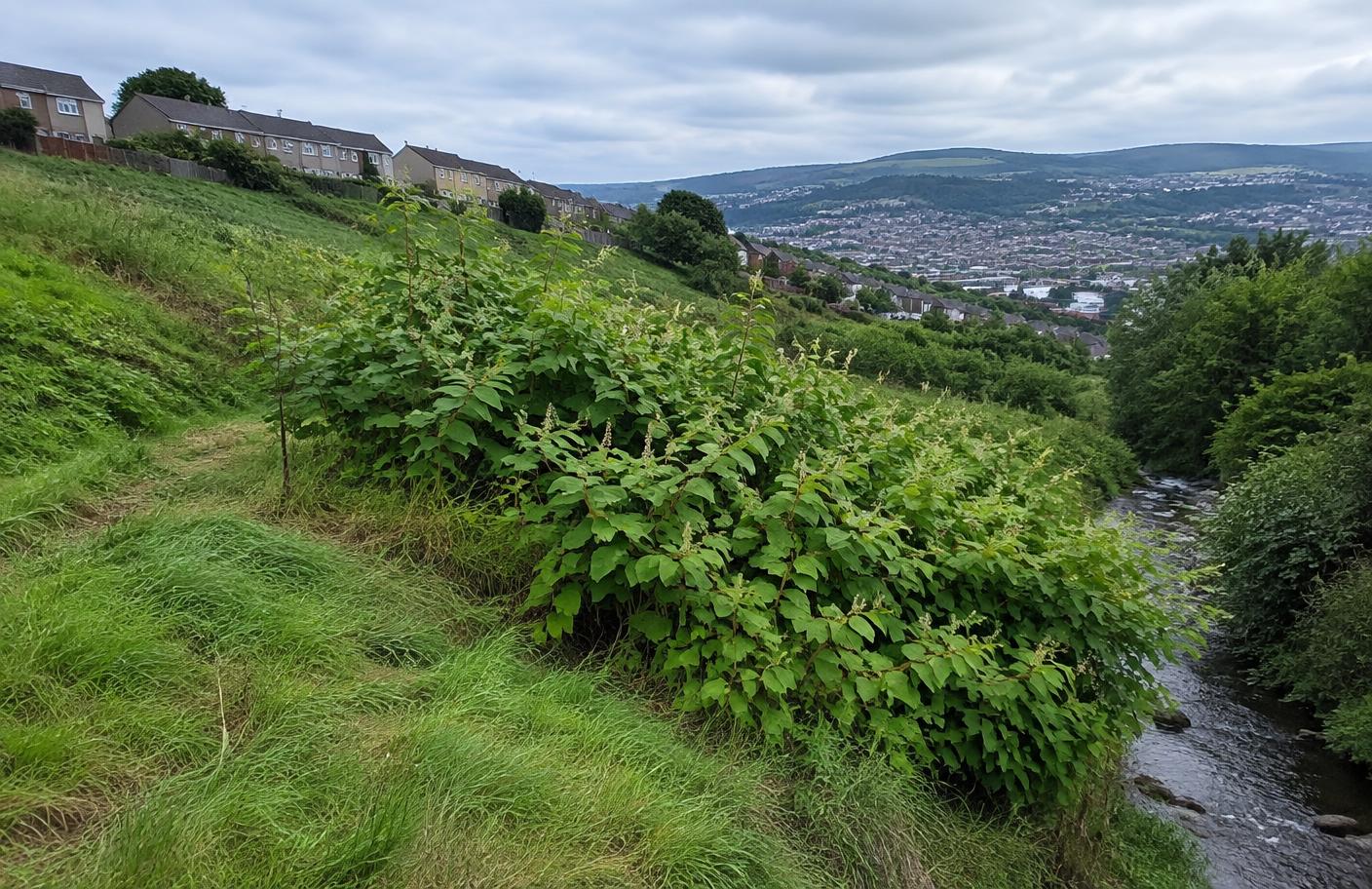
Steep amenity banks between estates are rarely inspected, so knotweed stands grow large before anyone reports them. Cadle brook carries balsam downhill.
Main species: Japanese knotweed, Himalayan balsam
Llanelli, Burry Port & the Amman Valley
East Carmarthenshire
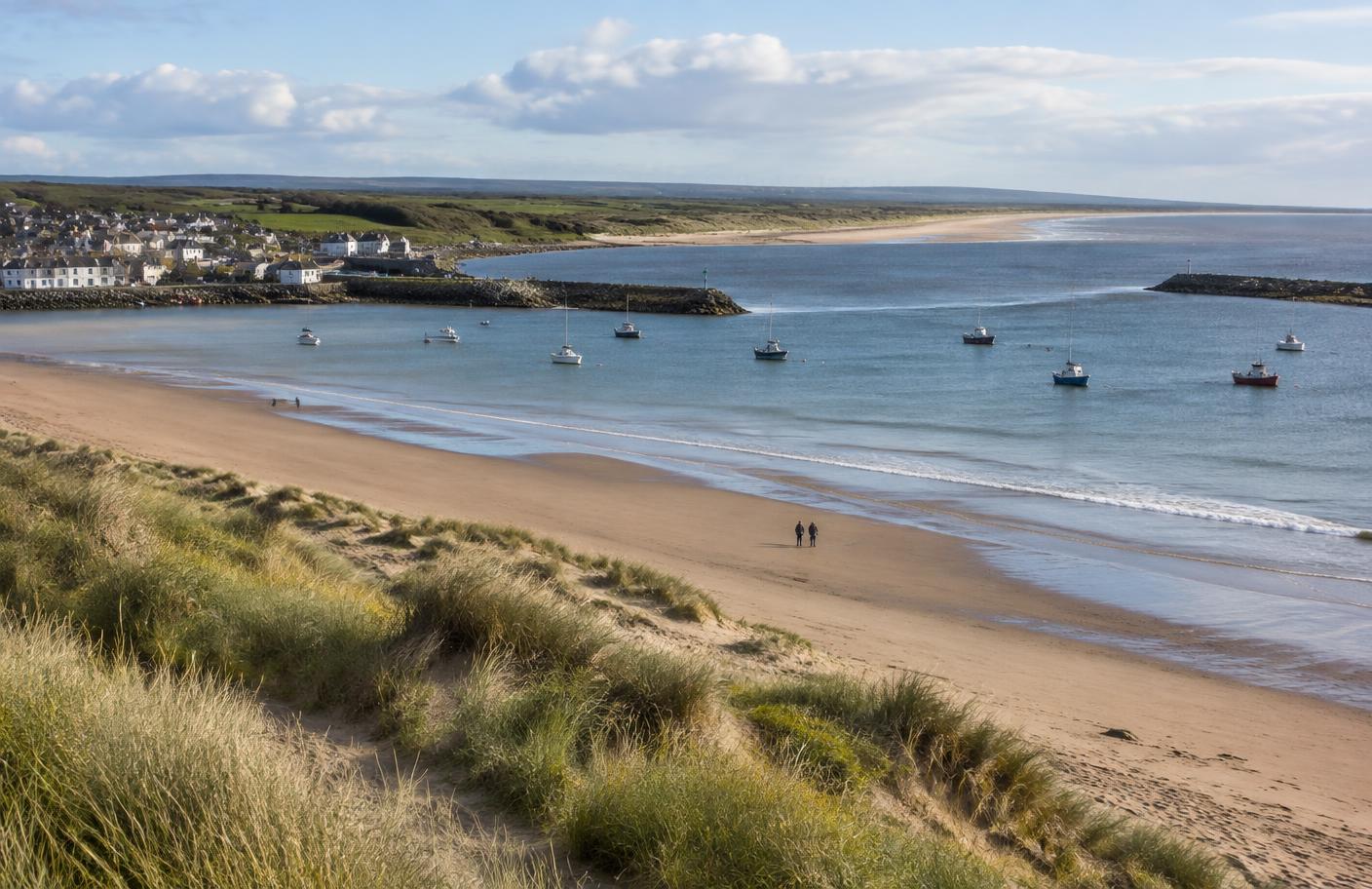
The Millennium Coastal Park and Loughor estuary fringe carry balsam and knotweed, and the old coalfield valleys of the Amman and Loughor are classic knotweed corridors. Covered by Carmarthenshire County Council on council land.
Main species: Japanese knotweed, Himalayan balsam, Japanese rose
Carmarthen, the Tywi & the Taf Estuary
West Carmarthenshire
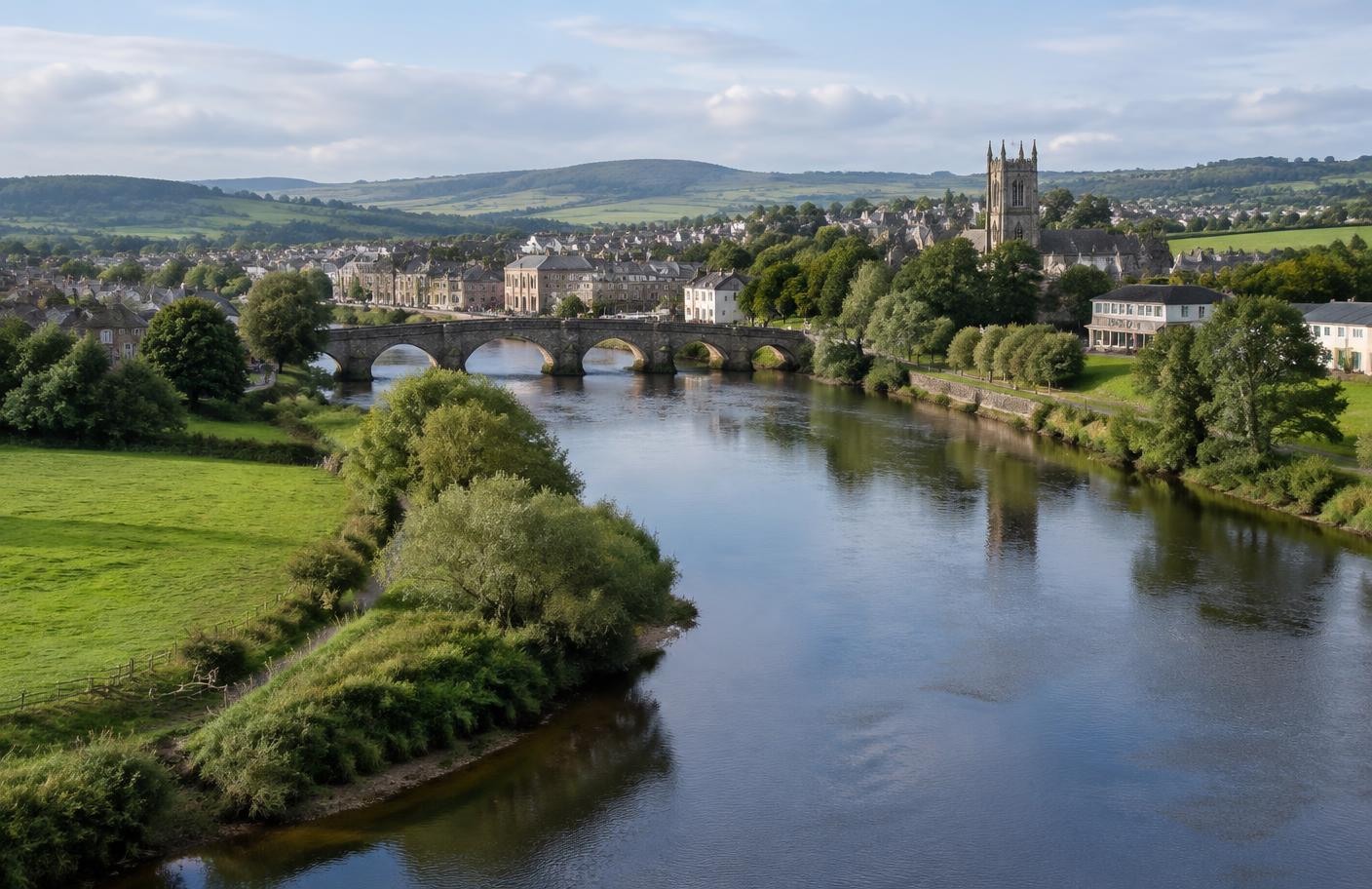
The Tywi is one of the great balsam rivers of Wales — seed floats miles downstream each summer — and knotweed lines the town's riverbanks and old rail land. Covered by Carmarthenshire County Council on council land.
Main species: Himalayan balsam, Japanese knotweed, Giant hogweed
Moderate pressure
Bishopston, Pennard & South Gower villages
Gower AONB
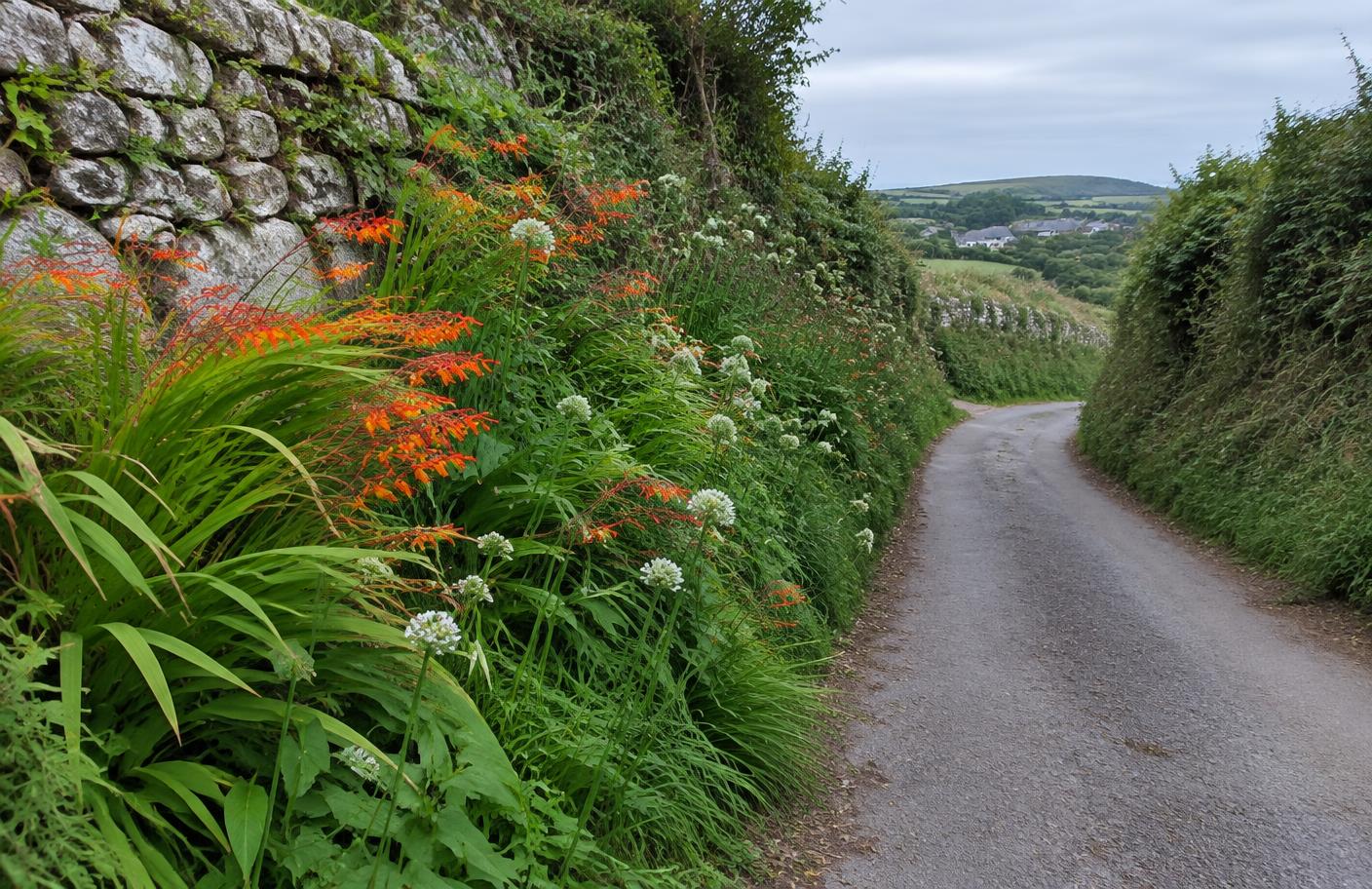
Narrow lanes with high banks act as corridors. Most new outbreaks here start with garden waste tipped over a bank or on a lay-by.
Main species: Montbretia, Three-cornered leek, Himalayan balsam
Gowerton, Penclawdd & North Gower
North Gower
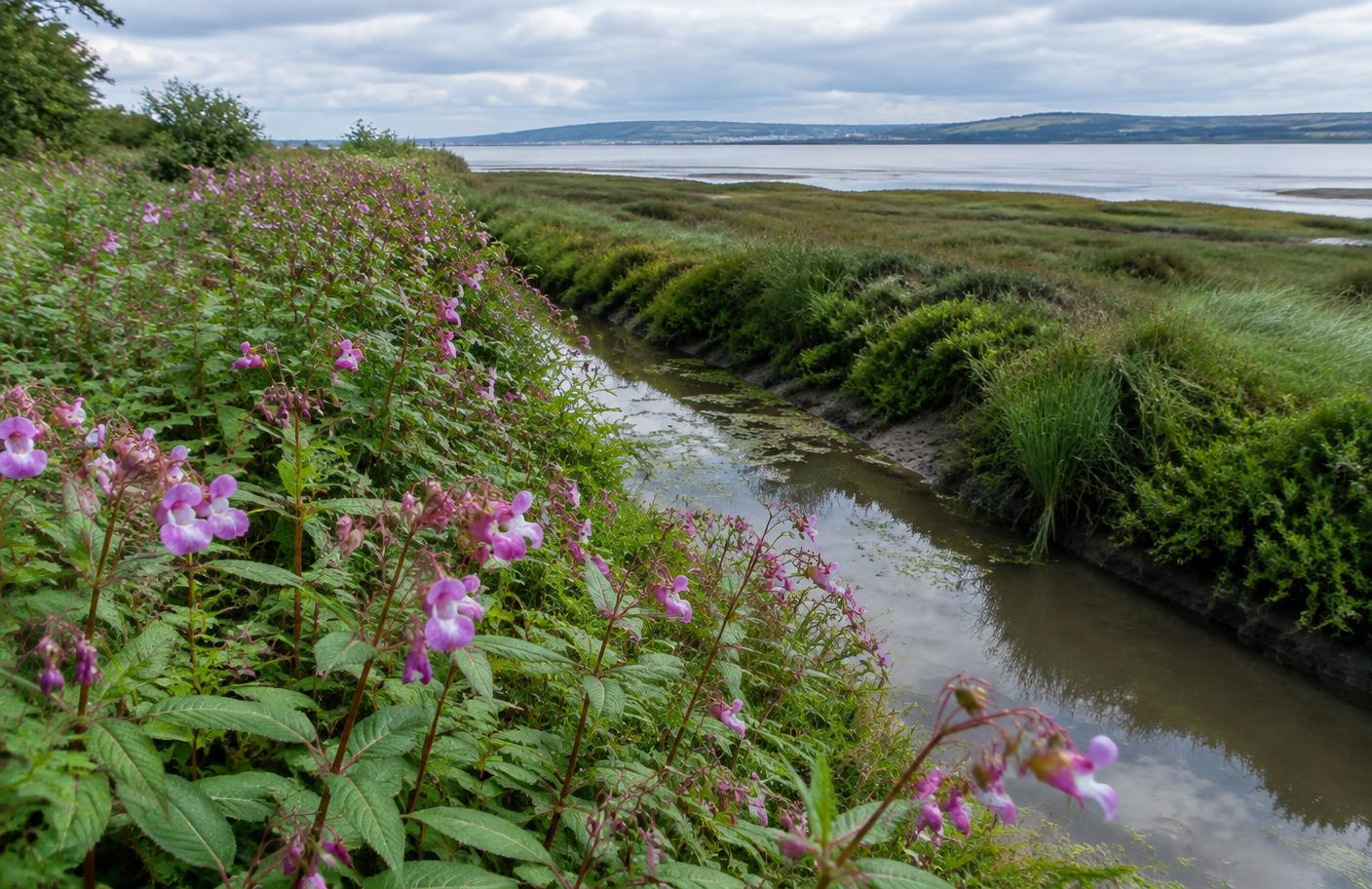
Estuary-edge drains and the Loughor catchment carry seed and rhizome fragments in and out with the tide and floodwater.
Main species: Himalayan balsam, Japanese knotweed, Giant hogweed
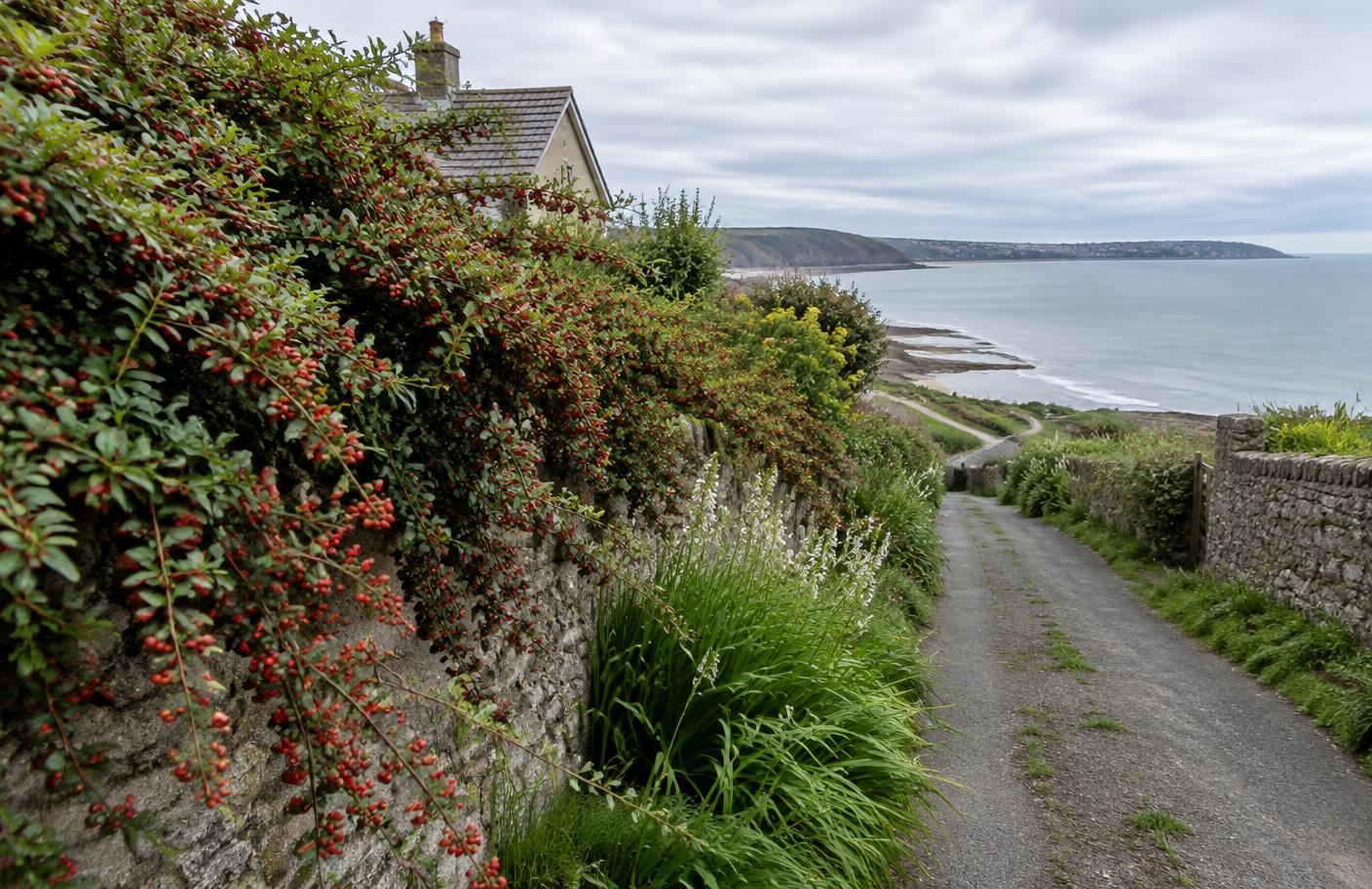
West Cross, Norton & Newton
Swansea Bay west
Suburban gardens backing onto the coast path. Small knotweed stands on lane corners, heavy garden-escape pressure on the seaward side.
Main species: Wall cotoneaster, Three-cornered leek, Japanese knotweed
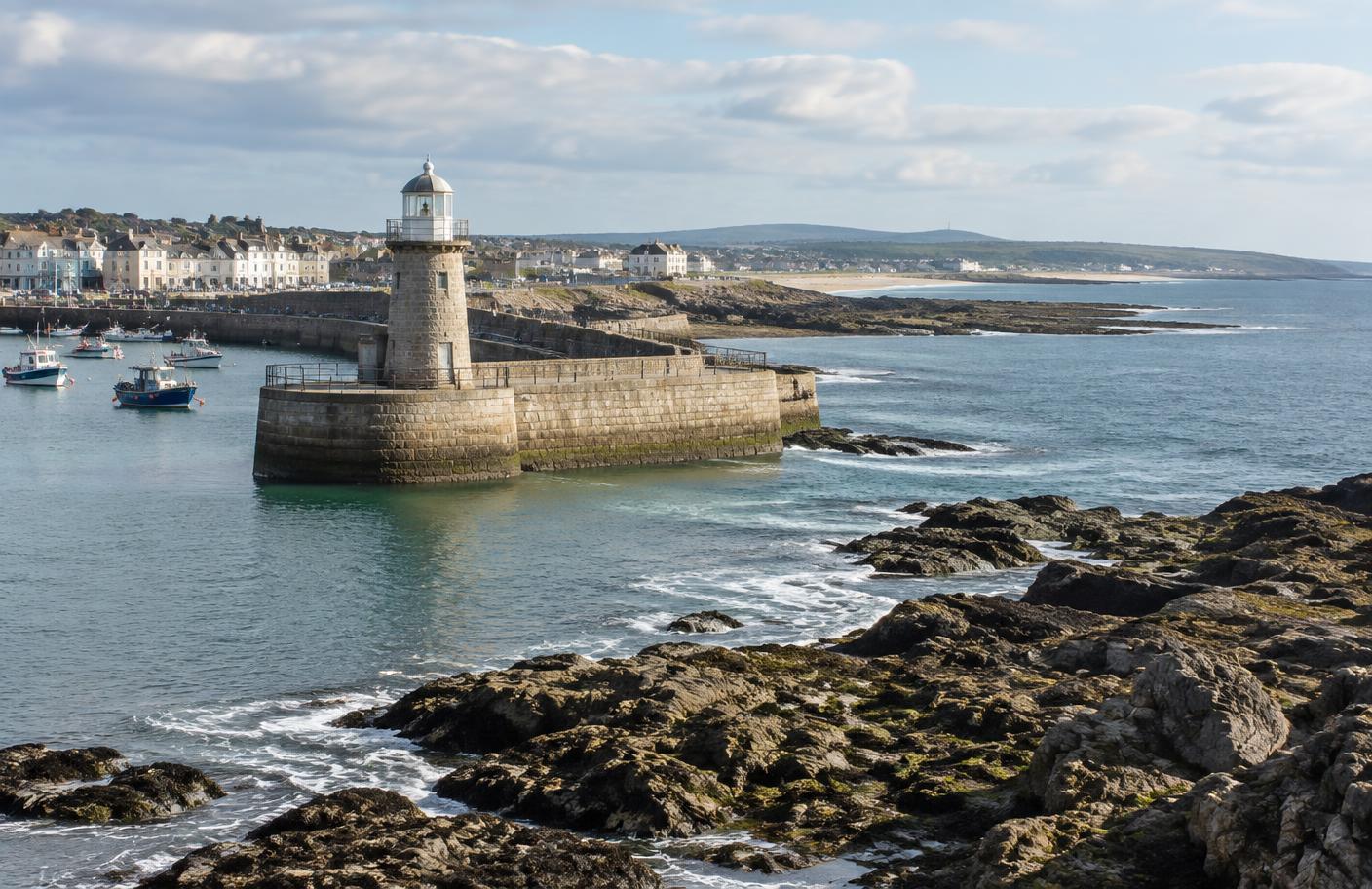
Porthcawl, Kenfig & the Bridgend Coast
Bridgend coast
Dune systems are the priority here — rugosa rose over-stabilises mobile sand, and garden escapes press in from the coastal towns. Covered by Bridgend County Borough Council on council land.
Main species: Japanese rose, Wall cotoneaster, Himalayan balsam
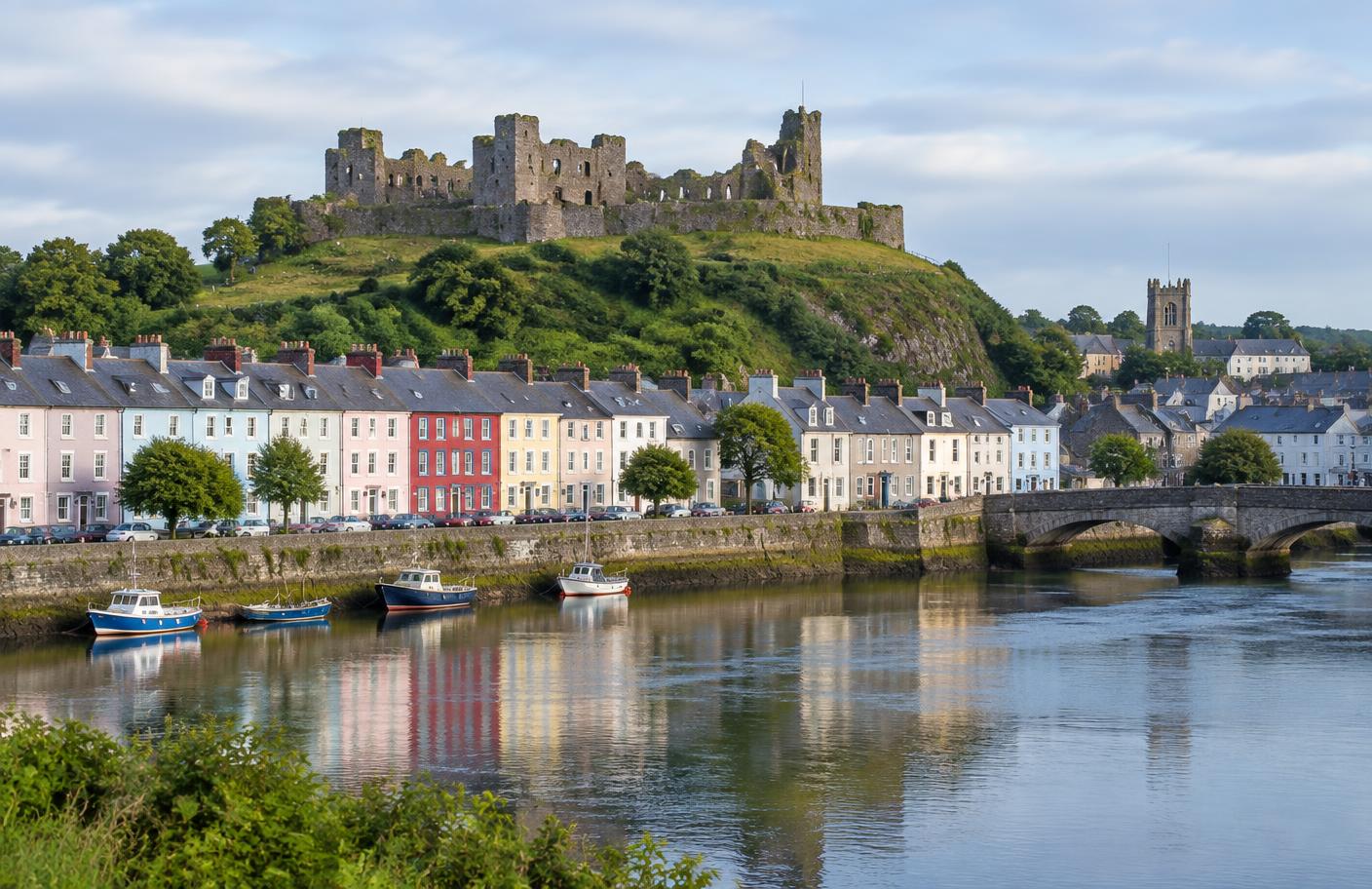
Haverfordwest, Tenby & the Pembrokeshire Coast
Pembrokeshire
The Cleddau rivers carry balsam and knotweed through Haverfordwest, while the coast path and National Park grasslands face garden escapes like cotoneaster and montbretia. Covered by Pembrokeshire County Council; much of the coast is National Park land.
Main species: Himalayan balsam, Japanese knotweed, Wall cotoneaster