West Swansea
Invasive weed waste clearance in Clyne Valley & Blackpill
Clearing cut invasive plant material, roots and affected soil so it leaves the site lawfully and does not start new growth somewhere else.
How we work in Clyne Valley & Blackpill
- Survey to see what the waste contains and whether soil is affected
- Bag or cover material on site so fragments and seed can't escape
- Keep Japanese knotweed material and soil separate. It is controlled waste and cannot go in household, green or compost waste
- Lawful removal to a facility licensed to accept it, with paperwork kept for your records
- Clean tools, boots and vehicles before leaving
Local picture
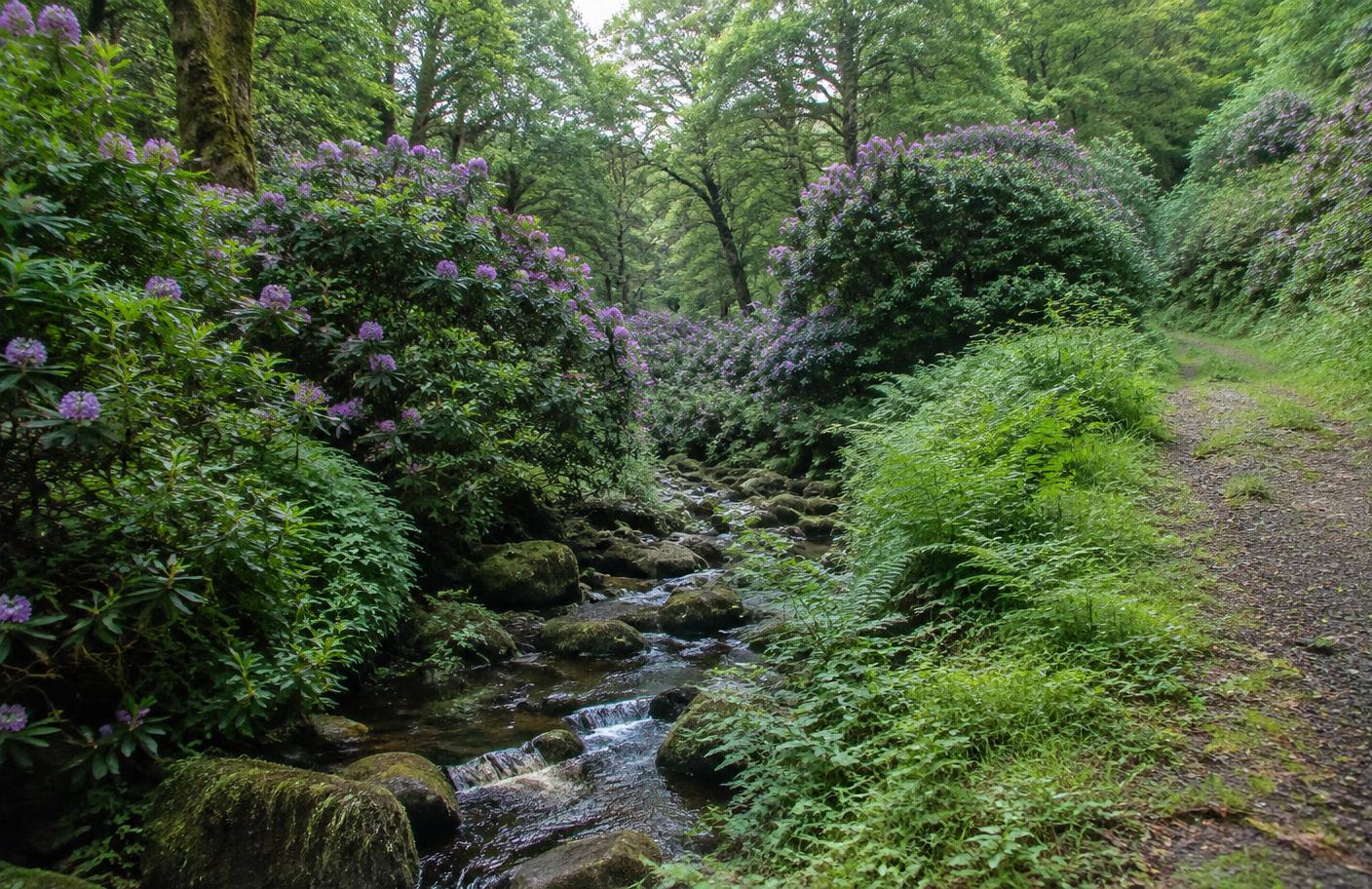
The city's biggest single invasive management challenge. Rhododendron has taken large blocks of former estate woodland; balsam lines the brook the length of the valley.
Pressure from invasive plants here: Severe.
Map of Clyne Valley & Blackpill
Pins show places we cover and publicly reported records, not individual properties.
Landmarks and area facts
Blackpill
Part of the City and County of Swansea, served by Swansea Council for waste, roads and public land.
Mayals
Part of the City and County of Swansea, served by Swansea Council for waste, roads and public land.
Swansea Bay
The bay sweeps roughly five miles from Swansea to Mumbles Head.
Blackpill foreshore
Forms part of Swansea's coastline along the Bristol Channel, where the tidal range is among the largest in the world.
Clyne Valley Country Park
Covers around 700 acres of former industrial and railway land.
Clyne Gardens
Best known for one of Britain's largest collections of rhododendrons and azaleas.
Places we cover
Local news & advice
Advice article
Spotting Invasive Plants in Upper Killay, Swansea
Learn how to spot invasive plants around Upper Killay, report concerns safely and know when to call a professional for a survey in this part of West Swansea.
July 2025 · Swansea Bay News
Swansea, Neath and Llanelli named among Wales's worst knotweed hotspots
New figures from the national knotweed heatmap put Swansea city third in Wales with 936 verified sightings, Llanelli fourth with 693 and Neath sixth with 396. Wales as a whole records more than triple the knotweed density of England — which is why early reporting matters so much here.
Ongoing · Swansea Council
Swansea Council's knotweed treatment service is open for quotes
The council offers a paid treatment service for private land affected by Japanese knotweed, built on more than 20 years of treating its own land. Request a quote online and they aim to respond within 10 working days. Knotweed on council land should be reported to the nature team instead.
Ongoing · Swansea Council
Sign up for the council's knotweed email updates
Swansea Council runs a knotweed updates email list alongside its treatment FAQs — covering what to expect after spraying (die-back in about 14 days), safety around children, pets and ponds, and how repeat treatments over up to five years bring a stand under control.
September 2023 · Wales Online
North Hill case shows why knotweed between gardens needs early action
A Pleasant View Terrace homeowner spent over a year trying to get knotweed spreading from a neighbouring property contained. Knotweed crossing a boundary is a private legal matter — documenting it early and getting both owners into a treatment plan is far cheaper than a dispute.